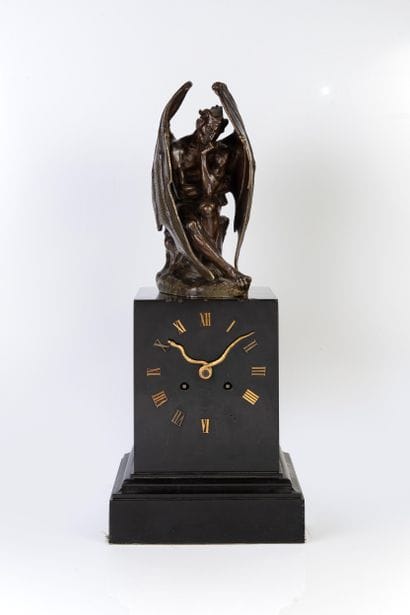
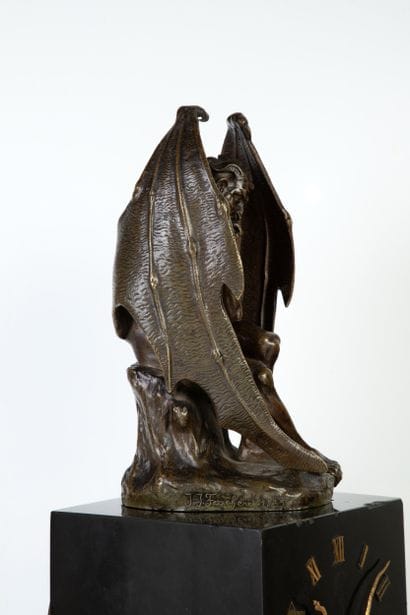
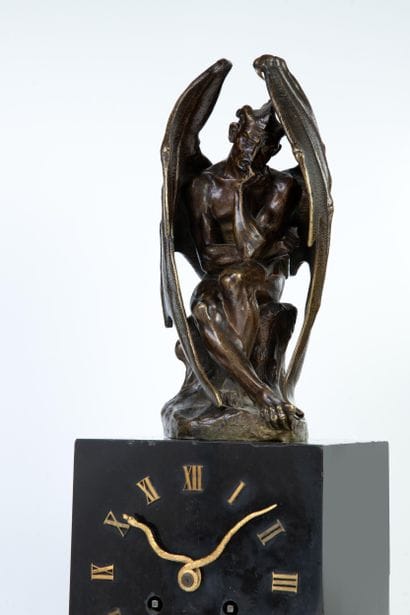
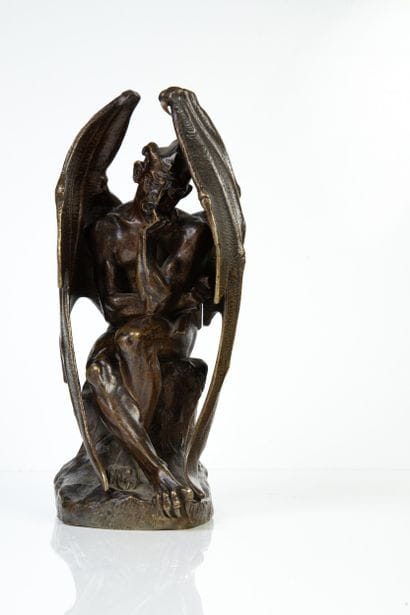
1 – Le bien mis en vente
Les acquéreurs potentiels sont invités à examiner les biens pouvant les intéresser avant la vente aux enchères, et notamment pendant les expositions.
L’OVV CRAIT-MULLER se tient à la disposition des acquéreurs potentiels pour leur fournir des rapports sur l’état des lots. Les descriptions des lots résultant du catalogue, des rapports, des étiquettes et des indications ou annonces verbales ne sont que l’expression par l’OVV CRAIT-MULLER de sa perception du lot, mais ne sauraient constituer la preuve d’un fait.
Les dimensions sont données à titre indicatif. Les indications données par l’OVV CRAIT-MULLER sur l’existence d’une restauration, d’un accident ou d’un incident affectant le lot, sont exprimées pour faciliter son inspection par l’acquéreur potentiel et restent soumises à son appréciation personnelle ou à celle de son expert.
L’absence d’indication d’une restauration d’un accident ou d’un incident dans le catalogue, les rapports, les étiquettes ou verbalement, n’implique nullement qu’un bien soit exempt de tout défaut présent, passé ou réparé. Inversement la mention de quelques défauts n’implique pas l’absence de tous autres défauts. Les estimations sont fournies à titre purement indicatif et elles ne peuvent être considérées comme impliquant la certitude que le bien sera vendu au prix estimé ou même à l’intérieur de la fourchette d’estimations. Les estimations ne sauraient constituer une quelconque garantie.
2 – La vente
L’OVV CRAIT-MULLER se réserve de demander à tout acquéreur potentiel de justifier de son identité ainsi que de ses références bancaires.
L’OVV CRAIT-MULLER se réserve d’interdire l’accès à la salle de vente de tout acquéreur potentiel pour justes motifs. Toute personne qui se porte enchérisseur s’engage à régler personnellement et immédiatement le prix d’adjudication augmenté des frais à la charge de l’acquéreur et de tous impôts ou taxes qui pourraient être exigibles. Tout enchérisseur est censé agir pour son propre compte sauf dénonciation préalable de sa qualité de mandataire pour le compte d’un tiers, acceptée par l’OVV CRAIT-MULLER.
Le mode normal pour enchérir consiste à être présent dans la salle de vente. Toutefois l’OVV CRAIT-MULLER pourra accepter gracieusement de recevoir des enchères par téléphone d’un acquéreur potentiel qui se sera manifesté avant la vente.
L’OVV CRAIT-MULLER ne pourra engager sa responsabilité notamment si la liaison téléphonique n’est pas établie, est établie tardivement, ou en cas d’erreur ou d’omissions relatives à la réception des enchères par téléphone. L’OVV CRAIT-MULLER pourra accepter gracieusement d’exécuter des ordres d’enchérir qui lui auront été transmis avant la vente et que l’OVV CRAIT-MULLER aura acceptés.
Si l’OVV CRAIT-MULLER reçoit plusieurs ordres pour des montants d’enchères identiques, c’est l’ordre le plus ancien qui sera préféré.
L’OVV CRAIT-MULLER ne pourra engager sa responsabilité notamment en cas d’erreur ou d’omission d’exécution de l’ordre écrit. En revanche le vendeur ne sera pas admis à porter lui-même des enchères directement ou par mandataire.
L’OVV CRAIT-MULLER dirigera la vente de façon discrétionnaire tout en respectant les usages établis.
L’OVV CRAIT-MULLER se réserve de refuser toute enchère, d’organiser les enchères de la façon la plus appropriée, de déplacer certains lots lors de la vente, de retirer tout lot de la vente, de réunir ou de séparer des lots. Le coup de marteau matérialisera la fin des enchères et le prononcé du mot “Adjugé”» ou tout autre équivalent entraînera la formation du contrat de vente entre le vendeur et le dernier enchérisseur retenu. L’adjudicataire ne pourra obtenir la livraison du lot qu’après règlement de l’intégralité du prix. En cas de remise d’un chèque ordinaire, seul l’encaissement du chèque vaudra règlement.
3 – FRAIS À LA CHARGE DE L’ADJUDICATAIRE
L’adjudicataire paiera à Crait-Muller, en sus du Prix d’Adjudication, une Commission d’Adjudication égale à un pourcentage du prix d’adjudication définit comme suit :
27 % HT
Taux de TVA : 5,50% s’agissant d’une œuvre d’art, d’un objet de collection ou d’une antiquité.
En outre, Le prix d’adjudication est majoré comme suit dans le cas suivant :
• 1,5% HT en sus (soit 1,8% TTC*) pour les Lots acquis sur la Plateforme Digitale Live « https://drouot.com » (v. CGV de la plateforme « https://drouot.com »).
*Taux de TVA en vigueur : 20%
RÉGIME DE TVA APPLICABLE
S’agissant d’une œuvre d’art, d’un objet de collection ou d’une antiquité (tels que définis à l’art. 98-A-II, II, IV de l’annexe III au CGI), Crait-Muller est assujettie au régime général de TVA, laquelle s’appliquera sur la somme du prix d’adjudication et de la commission d’adjudication, au taux réduit de 5,5%
Dès lors que le bien vendu est soumis au régime général de TVA, le montant cette dernière sera indiqué sur le bordereau d’adjudication et l’acheteur assujetti à la TVA sera, le cas échéant, en droit de la récupérer.
Les taxes (TVA sur commissions et TVA à l’import) peuvent être rétrocédées à l’adjudicataire sur présentation des justificatifs d’exportation hors CEE. Un adjudicataire CEE justifiant d’un n° de TVA Intra-communautaire sera dispensé d’acquitter la TVA sur les commissions.
Le paiement du lot aura lieu au comptant, pour l’intégralité du prix, des frais et taxes, même en cas de nécessité d’obtention d’une licence d’exportation.
L’adjudicataire pourra s’acquitter par les moyens suivants :
– en espèces : jusqu’à 1 000 euros frais et taxes compris pour les ressortissants français et européens, jusqu’à 15 000 euros frais et taxes compris pour les ressortissants étrangers non professionnels sur présentation de leurs papiers d’identité.
– Virement bancaire.
Les Adjudicataires ayant enchéri via la plateforme Live « Drouotlive », seront débités sur la Carte Bancaire enregistrée lors de leur inscription pour les bordereaux de moins de 500 € le jour même de la vente sauf avis contraire.
4 – Exécution de la vente
L’OVV CRAIT-MULLER sera autorisé à reproduire sur le procès-verbal de vente et sur le bordereau d’adjudication les renseignements qu’aura fournis l’adjudicataire avant la vente. Toute fausse indication engagera la responsabilité de l’adjudicataire.
Dans l’hypothèse où l’adjudicataire ne se sera pas fait enregistrer avant la vente, il devra communiquer les renseignements nécessaires dès l’adjudication du lot prononcée. Il appartiendra à l’adjudicataire de faire assurer le lot dès l’adjudication. Il ne pourra recourir contre l’OVV CRAIT-MULLER dans l’hypothèse où par suite du vol, de la perte ou de la dégradation de son lot, après l’adjudication, l’indemnisation qu’il recevra de l’assureur de l’OVV CRAIT-MULLER serait avérée insuffisante.
Le lot ne sera délivré à l’acquéreur qu’après paiement intégral du prix, des frais et des taxes. Dans l’intervalle l’OVV CRAIT-MULLER pourra facturer à l’acquéreur des frais de dépôt du lot, et éventuellement des frais de manutention et de transport.
A défaut de paiement par l’adjudicataire, après mise en demeure restée infructueuse, le bien est remis en vente sur folle enchère de l’adjudicataire défaillant. En outre, l’OVV CRAIT-MULLER se réserve de réclamer à l’adjudicataire défaillant, à son choix :
– des intérêts au taux légal majoré de cinq points,
– le remboursement des coûts supplémentaires engendrés par sa défaillance,
– le paiement de la différence entre le prix d’adjudication initial et le prix
d’adjudication sur folle enchère s’il est inférieur, ainsi que les coûts générés
par les nouvelles enchères.
L’OVV CRAIT-MULLER se réserve également de procéder à toute compensation avec des sommes dues à l’adjudicataire défaillant.
L’OVV CRAIT-MULLER se réserve d’exclure de ses ventes futures, tout adjudicataire qui aura été défaillant ou qui n’aura pas respecté les présentes conditions générales d’achat. Les informations recueillies sur les formulaires d’enregistrement sont obligatoires pour participer à la vente puis pour la prise en compte de la gestion de l’adjudication. L’adjudicataire peut connaitre et faire rectifier les données le concernant, ou s’opposer pour un motif légitime à leur traitement ultérieur, en adressant une demande écrite accompagnée d’une copie de pièce d’identité à l’opérateur de vente par courrier ou par mail. L’opérateur de vente volontaire est adhérent au Registre central de prévention des impayés des Commissaires-priseurs auprès duquel les incidents de paiement sont susceptibles d’inscription. Les droits d’accès, de rectification et d’opposition pour motif légitime sont à exercer par le débiteur concerné auprès du Symev 15 rue Fressinet – 75016 Paris.
5 – Les incidents de la vente
Dans l’hypothèse où deux personnes auront porté des enchères identiques par la voix, le geste, ou par téléphone et réclament en même temps le bénéfice de l’adjudication après le coup de marteau, le bien sera immédiatement remis en vente au prix proposé par les derniers enchérisseurs, et tout le public présent pourra porter de nouvelles enchères.
6 – Préemption de l’État français
L’Etat français dispose d’un droit de préemption des oeuvres vendues conformément aux textes en vigueur. L’exercice de ce droit intervient immédiatement après le coup de marteau, le représentant de l’Etat manifestant alors la volonté de ce dernier de se substituer au dernier enchérisseur, et devant confirmer la préemption dans les 15 jours. L’OVV CRAIT-MULLER ne pourra être tenu pour responsable des conditions de la préemption par l’Etat français.
7 – Compétences législative et juridictionnelle
La loi française seule régit les présentes conditions générales d’achat. Toute contestation relative à leur existence, leur validité, leur opposabilité à tout enchérisseur et acquéreur, et à leur exécution sera tranchée par le tribunal compétent du ressort de Paris (France).
8 – Retrait des lots
L’acquéreur sera lui-même chargé de faire assurer ses acquisitions, l’OVV CRAIT-MULLER décline toute responsabilité quant aux dommages que l’objet pourrait encourir, et ceci dès l’adjudication prononcée. Toutes les formalités et transports restent à la charge exclusive de l’acquéreur.
9 - Protection des données
Dans le cadre de nos activités de ventes aux enchères, notre maison de ventes est amenée à collecter des données à caractère personnel concernant le vendeur et l’acheteur. Ces derniers disposent dès lors d’un droit d’accès, de rectification et d’opposition sur leurs données personnelles en s’adressant directement à notre maison de ventes. Notre OVV pourra utiliser ces données à caractère personnel afin de satisfaire à ses obligations légales, et, sauf opposition des personnes concernées, aux fins d’exercice de son activité (notamment, des opérations commerciales et de marketing). Ces données pourront également être communiquées aux autorités compétentes dès lors que la règlementation l’impose.
L’OVV Crait + Muller est abonnée au Service TEMIS permettant la consultation et l’alimentation du fichier des restrictions d'accès aux ventes aux enchères (« Fichier TEMIS »).
Tout bordereau d’adjudication demeuré impayé auprès de l’OVV Crait + Muller ou ayant fait l’objet d’un retard de paiement est susceptible d’inscription au fichier TEMIS.
RETRAIT ET EXPÉDITION DES ACHATS
Sauf accord préalable avec l’acheteur, tout objet/lot demeurant en salle le lendemain de la vente à 10 heures, et ne faisant pas l’objet d’une prise en charge par la société de ventes, est stocké au service Magasinage de l’Hôtel Drouot. Le service Magasinage est payant, à la charge de l’acquéreur. Le magasinage de l’Hôtel des ventes n’engage pas la responsabilité l’OVV Crait-Muller à quelque titre que ce soit.
Service Magasinage :
Nous vous invitons à prendre rendez-vous auprès du Service Magasinage pour récupérer vos achats. Une fois votre rendez-vous pris, vous pourrez vous présenter auprès des gardiens de l’Hôtel Drouot au 6bis, rue Rossini 75009 Paris. Le service Magasinage est ouvert de 13h30 à 18h du lundi au vendredi.
Tél +33 (0) 1 48 00 20 18
magasinage@drouot.com
Ce service est payant, aux conditions suivantes :
- Frais de dossier TTC par lot : 5 € / 10 € / 15 € / 20 € / 25 €, selon la nature du lot*
- A partir du 3ème jour, frais de stockage TTC par lot : 1 € / 5 € / 10 € / 15 € / 20 €, selon la nature du lot*
Les frais de dossier sont plafonnés à 50 € TTC par retrait.
Une réduction de 50 % sur les frais de stockage est accordée aux clients étrangers et aux professionnels du marché de l’art en province (sur présentation de justificatif).
Nous vous informons que :
- Les lots sont remis par Drouot Magasinage après acquittement total des sommes dues, sur présentation du bordereau acquitté et/ou de l’étiquette de vente.
- Tout objet/lot qui ne serait pas retiré dans un délai d’un an à compter de son entrée au service Magasinage sera réputé abandonné et sa propriété transférée à Drouot Enchère à titre de garantie pour couvrir les frais de stockage.
* Sont considérés :
Très petits : les bijoux, les livres, les œuvres sur papier non encadrées dont la taille est inférieur au format A4
Petits : les tableaux mesurant moins de 1,5 x 1,5 m, les lots légers et de petit gabarit
Moyens : les tableaux mesurant plus de 1,5 m, les lots de petit gabarit et lourds
Grands : les lots de grand gabarit et lourds
Volumineux : les lots imposants ou composés de plusieurs lots